Agri-food traceability · third-party product

Tracee

A platform for agri-food supply chains that need to prove where their product came from. Farm-level data capture, batch-level traceability and built-in compliance checks for EUDR, CSRD and SFDR. Tracee is built by Tracee; Infivex supplies, implements and supports it.

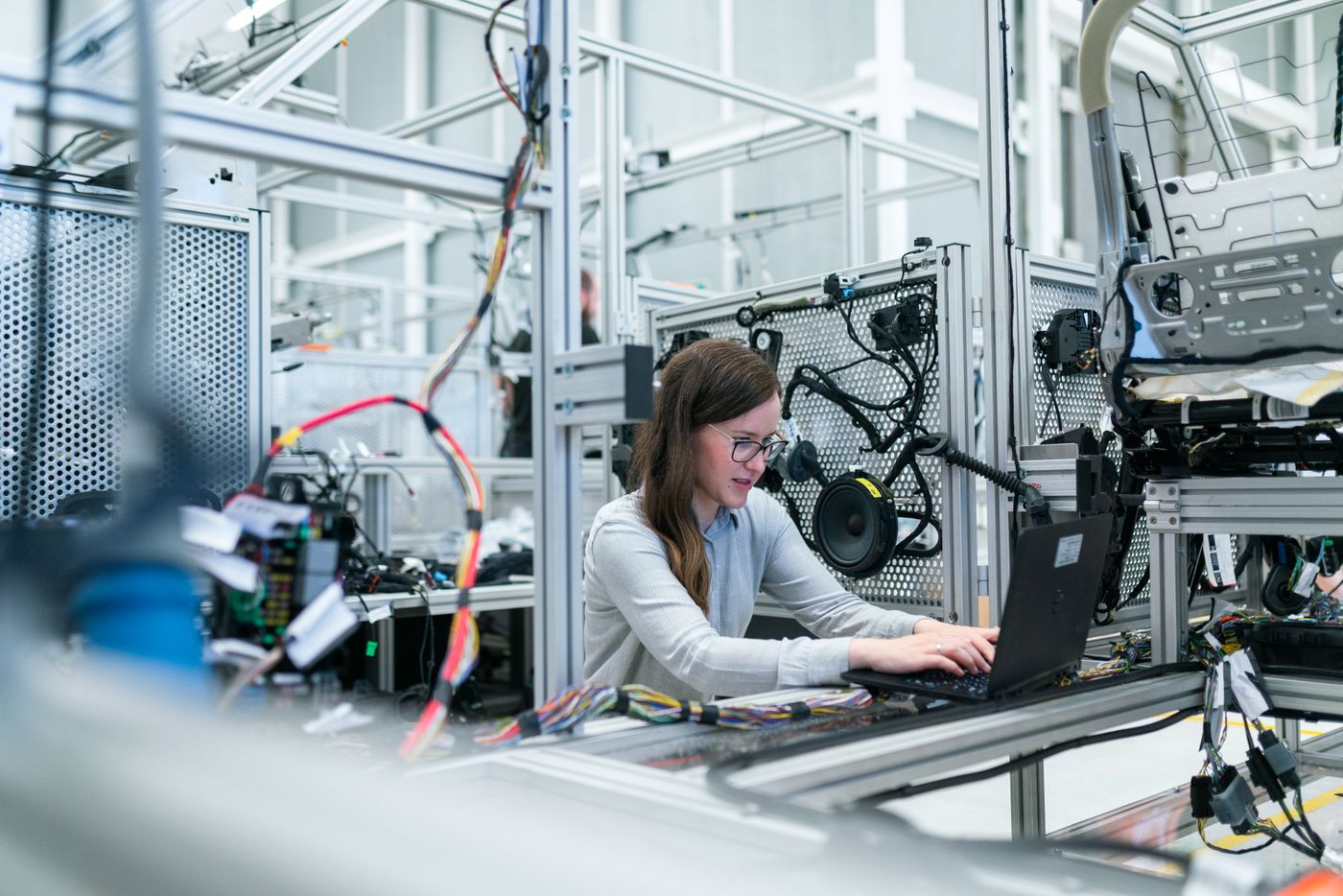
A worker at an industrial production line operating machinery
What it is

Proof, not paperwork

Tracee brings every stakeholder in the agri-value chain onto a single platform — farmers, processors, distributors and retailers — and turns what each of them records into a connected picture of where a batch actually came from.

That matters because the questions being asked of food and commodity businesses have changed. It is no longer enough to have a supplier declaration in a filing cabinet. Regulators, buyers and lenders increasingly want origin data that can be produced on demand and stands up to inspection.

Tracee is a third-party product. We did not build it and we do not claim to. What Infivex brings is the implementation, the integration with the systems you already run, and being the number you call when something needs attention.

Capability

Four modules

Deployed together or individually, depending on where your chain is under the most pressure.

🌱

Farm Management & Monitoring

Real-time logging of seed varieties, fertilizer usage and yield forecasts, with early pest and disease alerts and localized weather integration. Farmers log daily operations through a mobile app rather than on paper.

🚚

Supply Chain Visibility

Batch-level traceability that tracks every product handoff from harvest through to final packaging, with automated updates flowing to distribution and retail partners.

📋

Compliance & Reporting

Built-in checks for EUDR, CSRD and SFDR. Deforestation concerns in a batch's origin data are auto-flagged so non-compliant shipments are caught before they move further down the chain.

🌎

Carbon Tracking & Offsetting

Carbon footprint tracked across farming, transport and processing, with an optional marketplace for purchasing verified carbon credits.

The driver

EUDR is the reason most people call

The EU Deforestation Regulation requires operators placing certain commodities on the EU market to demonstrate that the goods are deforestation-free, with geolocation data for the plots where they were produced.

  • The data has to exist before you need it. Origin evidence cannot be reconstructed after a shipment has moved. Capture has to happen at the farm, at the time.
  • It has to be linked to the batch. A folder of certificates is not the same as being able to show which plot a specific consignment came from.
  • It has to come out quickly. When a buyer or an auditor asks, the answer needs to be a report rather than a fortnight of phone calls.

Whether that turns into a project worth doing depends on your commodity, your volumes and how far up the chain your visibility currently stops. That is a conversation, not a checkout.

At a glance

Built by
Tracee
Deployment
Cloud
Field capture
Mobile app
Regulations
EUDR · CSRD
Licensing
Subscription
Who it serves

Every link in the chain, on one platform

👷

Farmers

Log operations from a phone in the field, without a back-office system or a desk to return to.

🏭

Processors

Receive batches with their origin data attached, so transformation steps inherit provenance instead of breaking it.

🛒

Retailers

Verify sustainability claims on the products being listed, with evidence rather than assurances.

🏦

Financial institutions

Assess sustainability exposure across a portfolio using reported data rather than self-declaration.

Our part

What Infivex does around it

Buying a traceability platform is straightforward. Getting the data into it, and out the other end in a form an auditor accepts, is the actual work.

1

Scope the obligation

Which commodities, which regulations, and where the chain currently goes dark. If the honest answer is that you do not need this yet, we will say so.

2

Connect your systems

Traceability data is worth far more when it meets your ERP. We build the integrations between Tracee and the Dynamics environment you already run — see development.

3

Support it

One relationship for the licence, the setup and the support line, under an SLA — rather than a vendor in another time zone.

Questions

Tracee FAQ

No. Tracee is built and owned by Tracee. We supply it, implement it and support it, and we are explicit about that distinction everywhere on this site — you should always know who is behind the software you depend on. The three products we did build are SLinkHub, Finly and SLinkHub Screens.

The modules are separable, and compliance is the usual starting point. Most organisations begin with origin capture and reporting for the commodity that is under regulatory pressure, then extend once the data is flowing and its value elsewhere becomes obvious. Scoping that properly is part of the first conversation.

It is the single biggest risk in any traceability project, and it is worth being blunt about it. The platform captures field data through a mobile app precisely because a desk-based system would never be used. Even so, adoption at the farm end depends on training and on making the app worth someone's time — not on the software alone. We would rather raise that at the start than discover it at go-live.

That is generally where we add the most value. Batch and origin data is far more useful when it reaches the system that already handles your purchasing, stock and sales. We build integrations into Microsoft Dynamics environments as a matter of course — see development for how that work runs.

It is licensed on subscription, and the figure depends on the modules, the number of users and the scale of the chain being tracked. We would rather quote against your actual situation than publish a number that turns out to be wrong for you. Ask us and you will get a real one.

Does EUDR apply to you?

Tell us what you place on the EU market and where it is sourced from. We will tell you honestly whether this is a project you need to start now, and what it would involve.